
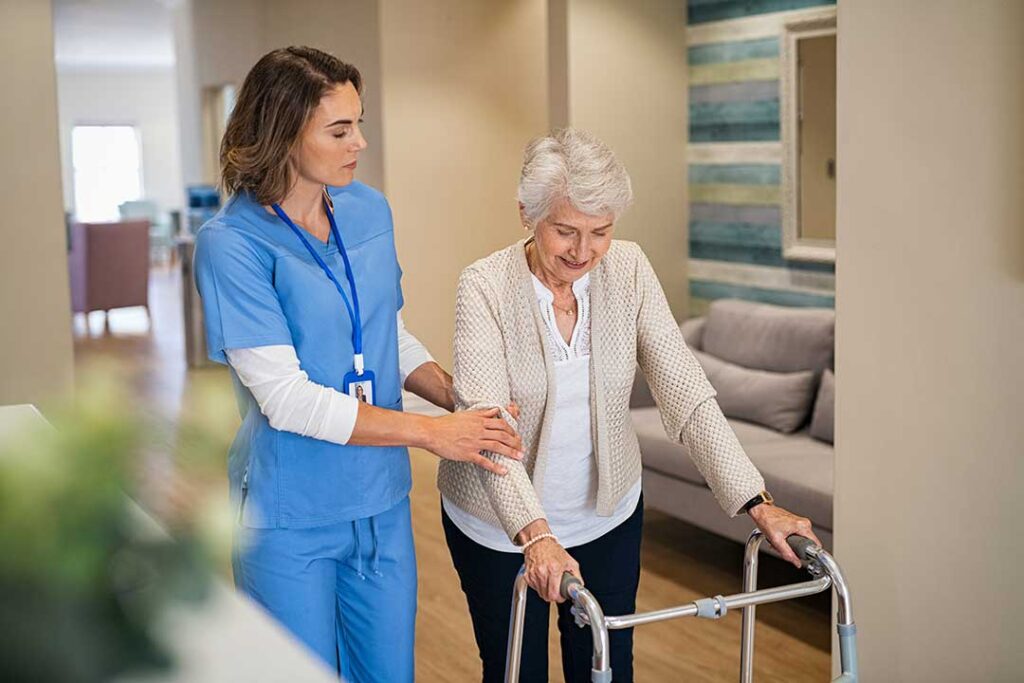
As families consider assisted living options in Bloomsburg, Pennsylvania, a common concern is staying actively involved in the care and well-being of their loved ones. In smaller towns like Bloomsburg, where community ties run deep and local values are cherished, family involvement in assisted living care often becomes a key factor in ensuring residents feel supported, safe, and connected. Here’s how families in Bloomsburg—and similar communities—can maintain a meaningful role in assisted living care, and why it makes a vital difference.
Why Family Involvement Matters in Assisted Living
Family involvement in assisted living is more than just frequent visits—it encompasses collaboration, communication, and advocacy for loved ones. In a town like Bloomsburg, where people often know their neighbors and value long-standing relationships, family members can make a significant, positive impact on the daily experiences of residents.
The benefits of family involvement include:
- Improved mental and emotional well-being for residents
- Enhanced communication with care staff
- Better understanding of residents’ preferences, cultural backgrounds, and histories
- Increased comfort during the transition to assisted living
Practical Ways for Families to Stay Involved
The local lifestyle in Bloomsburg allows for unique opportunities to be part of a loved one’s care and daily life. Families can:
- Attend community events: Bloomsburg is known for events like the Bloomsburg Fair, seasonal markets, and university gatherings. Many assisted living communities organize outings to these events, which can be more enjoyable and comforting with family participation.
- Schedule regular visits: In a tight-knit town, quality time often means joining loved ones for walks along the Susquehanna River, exploring campus gardens at Bloomsburg University, or simply having coffee in the community room.
- Volunteer: Some facilities in the region welcome family volunteers for arts and crafts sessions, music nights, or local history talks.
- Share local traditions: Bringing favorite foods from home, celebrating Pennsylvanian holidays, or joining in local sport watching parties can bridge the gap between old routines and new beginnings.
Collaborative Care Planning
Transitioning to assisted living in Bloomsburg is not a one-size-fits-all process. Facilities encourage families to be part of care planning, ensuring residents’ needs and preferences are honored. This collaboration typically involves:
- Attending care plan meetings with staff and healthcare providers
- Reviewing and updating care goals as health needs change
- Advocating for cultural, spiritual, or dietary preferences unique to the Bloomsburg region
Family members often possess personal insight into the resident’s unique personality, routines, and history, leading to better tailored care.
The Emotional Impact: Staying Connected in Bloomsburg
The role of family in helping residents cope with emotional challenges—like loneliness, memory loss, or adapting to new surroundings—is crucial. In Bloomsburg, where local festivals, church activities, and campus events foster a sense of belonging, families can draw on these community assets to:
- Stay engaged with shared traditions
- Participate in spiritual services, whether attending a church downtown or hosting family prayer circles
- Encourage intergenerational visits; grandchildren, nieces, and nephews often bring joy and a touch of the outside world
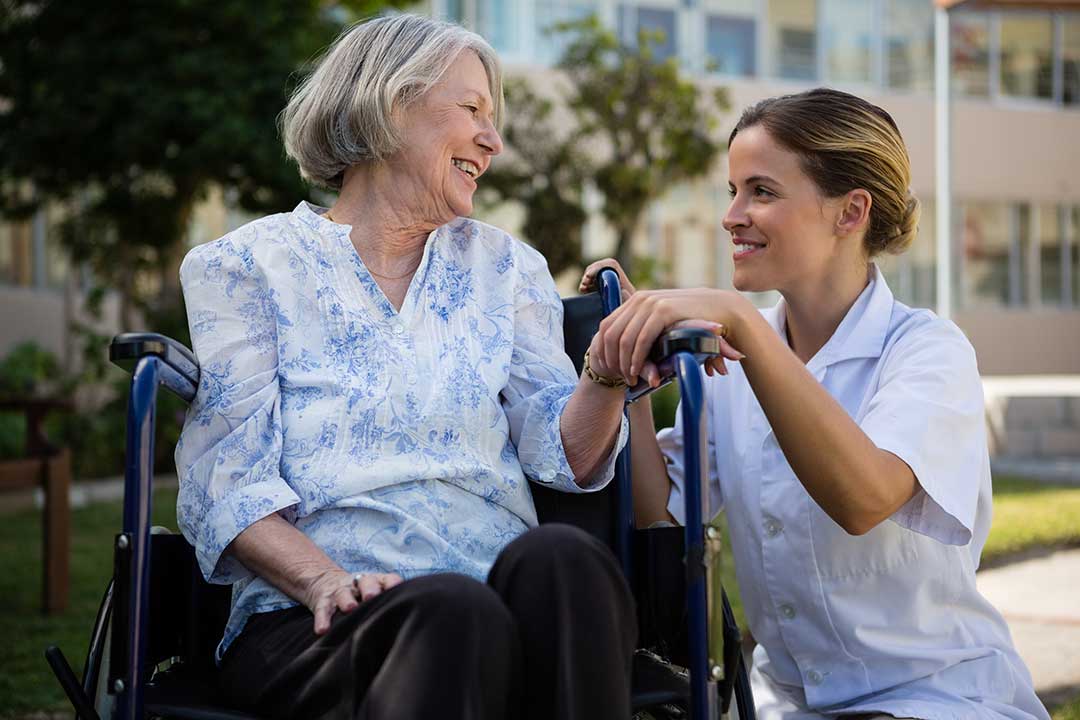
Families who remain involved help combat isolation and reinforce the resident’s identity as a valued member of both family and community.
Communication with Care Teams
Open, honest communication is vital in any care setting. In Bloomsburg’s assisted living communities, staff members recognize the importance of involving families in updates, medication changes, or scheduling concerns. Effective communication includes:
- Regular check-ins via phone, email, or video calls, especially for long-distance family members
- Participation in “family days” or information sessions highlighting the facility’s activities and initiatives
- Offering feedback and asking questions to ensure clarity and confidence in care routines
Overcoming Barriers to Family Involvement
Life in a vibrant college town like Bloomsburg can be busy, and it’s not always easy for family members to be present as much as they’d like. Some solutions include:
- Coordinating visits with other family members or friends to maintain a steady presence
- Utilizing technology, such as video calls or shared photo apps, to bridge the distance
- Setting up a “family newsletter” that can be posted in the resident’s room, keeping them updated on family news and local happenings
Assisted living staff in Bloomsburg are generally happy to facilitate virtual visits or arrange for care conference calls, making family involvement accessible, even from afar.
Fostering a True Sense of Community
Bloomsburg is built on community engagement, from local markets to university events to neighborhood gatherings. Assisted living facilities reflect this ethos by welcoming family involvement, inviting participation in community programming, and integrating local culture into everyday life. Families who stay involved reinforce these efforts and often discover meaningful ways to connect not just with their loved ones but also with other residents and staff.
Final Thoughts: The Value of Being Present
Family involvement in assisted living care isn’t just about caregiving—it’s about nurturing a sense of home, continuity, and belonging. In a place like Bloomsburg, where traditions are treasured and community spirit runs high, families play a pivotal role in helping loved ones thrive. By participating in activities, joining care planning, and fostering genuine communication, families elevate the assisted living experience for everyone involved.
If you’re considering assisted living for a loved one in Bloomsburg, remember: your presence and participation can make all the difference. Whether you’re sharing a meal, reliving memories of the fair, or helping your loved one adjust to new routines, your involvement transforms a care setting into a true community.
