
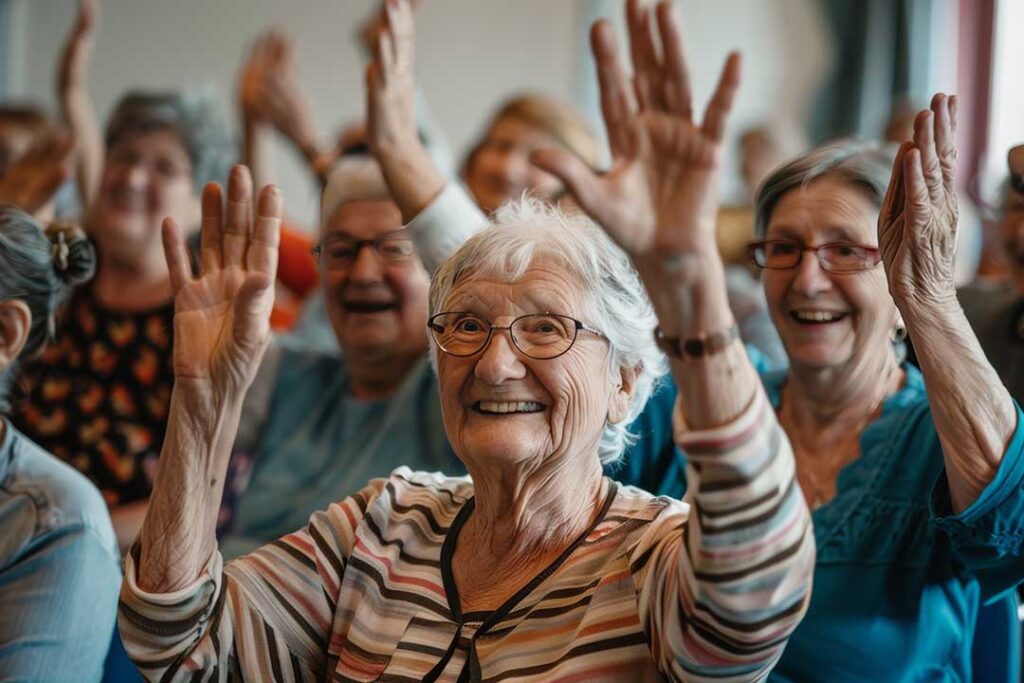
What Are Intergenerational Activities in Assisted Living?
Intergenerational activities bring together people of different age groups—often older adults and children or young people—within a shared setting. In assisted living environments across Bloomsburg, PA, these activities range from casual visits by school groups to organized art projects or story-sharing sessions. The main goal is to foster mutual understanding and meaningful connections across generations.
Why Do Assisted Living Residents Value Intergenerational Engagement?
Residents in local assisted living settings frequently express that interactions with younger people bring a sense of vibrancy and connection. These experiences can help residents feel more deeply connected to community life beyond the walls of their living facility. Many participants report greater overall satisfaction with daily routines, especially when activities involve reminiscing, hands-on crafts, music, or gardening.
How Do Intergenerational Activities Support Mental and Emotional Wellbeing?
Spending time with younger generations has a proven impact on mood and cognitive stimulation. A brief summary:
- Engaging in conversations with children can spark memories and storytelling, which helps maintain mental sharpness.
- Participating in shared games, puzzles, or learning activities provides mental exercise and novelty.
- Emotional benefits often include reduced feelings of loneliness, anxiety, or sadness for older adults, as youthful energy can be uplifting and renew a sense of purpose.
These effects are especially meaningful during colder months in Bloomsburg when outdoor activities are limited and contact with family members might be less frequent.
What Social Benefits Arise From Intergenerational Programs?
Such programs foster empathy and social skills for all involved. Older adults have opportunities to share life experiences, passing along wisdom and tradition. In turn, local youth gain respect for community elders and an appreciation of history that may otherwise be inaccessible. This mutual learning can help bridge generational gaps, foster more inclusive attitudes, and strengthen social ties across Bloomsburg’s neighborhoods.
Favorite intergenerational group activities in the area might include:
- History-sharing circles or recording oral histories
- Collaborative gardening or planting projects in shared outdoor spaces
- Music or performance events staged by youth groups for residents
- Holiday craft sessions or card-making workshops
Can Intergenerational Engagement Help Physical Health?
Frequent participation in active group projects sometimes encourages more physical movement. Activities like dance, gardening, or simple guided exercise sessions provide gentle opportunities to move and stretch. For individuals managing chronic health conditions, having a reason to move—even if modestly—can make daily routines more enjoyable and sustainable.
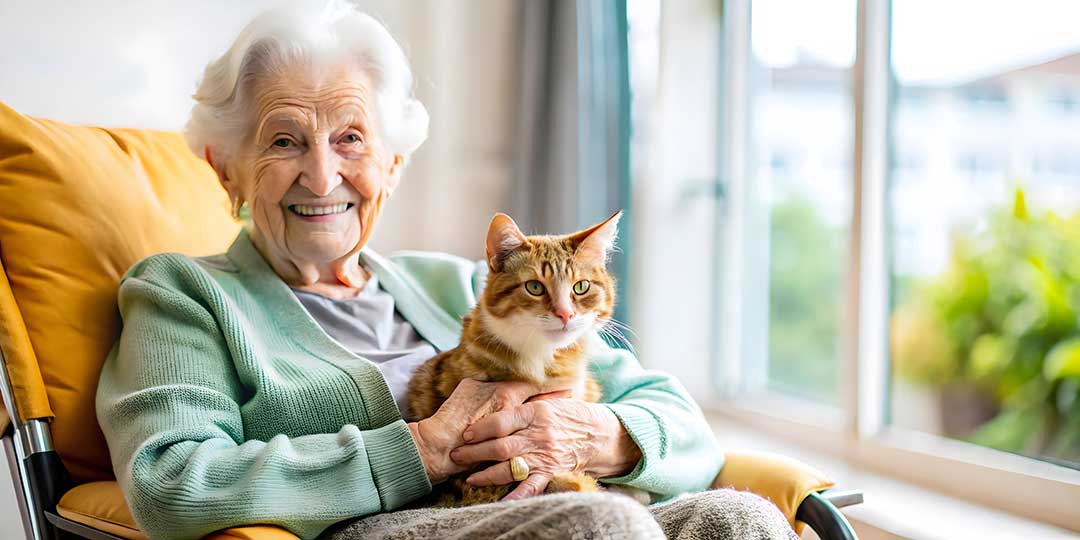
Additionally, a busy social calendar can help reduce the sense of isolation, which has been linked to improvements in physical as well as emotional health.
Are Intergenerational Activities Safe and Welcoming for Everyone?
Intergenerational experiences are usually supervised by staff familiar with the needs of both residents and young visitors. Activities are carefully chosen to be accessible and enjoyable for those with mobility or sensory limitations, while still holding interest for energized young guests. For local residents, programs often adjust for the season or adapt activities to work indoors during winter, ensuring participation remains safe and comfortable.
What Are Typical Misconceptions About These Programs?
A common misunderstanding is that older adults may feel burdened or overwhelmed by children’s energy. In practice, many residents look forward to the break from routine and relish the exchange, especially when activities are structured, facilitated, and tailored to comfort levels.
Another misconception is that intergenerational interactions are limited to formal educational topics. In reality, fun, play, and shared hobbies often form the heart of these gatherings.
How Do Local Families and Schools Support Such Programs?
Family members sometimes join in, sharing traditions or participating in multigenerational celebrations. Local schools may organize seasonal projects or pen-pal exchanges, allowing residents to feel part of area life even if their mobility is limited.
In Bloomsburg, these connections reinforce a culture of inclusion and respect for all ages. They can also offer practical support, such as students assisting with tech skills or sharing performances with assisted living communities during special events.
Can Residents Opt Out or Suggest New Ideas?
Participation is always voluntary. Residents are welcome to opt out or suggest different activities based on their interests. Many assisted living communities seek out input from residents to ensure events are meaningful, comfortable, and tailored to what participants genuinely enjoy—whether that's board games, storytelling, crafts, or music.
What Lasting Impact Do These Activities Have for the Wider Community?
Beyond individual benefits, intergenerational programs help sustain traditions and foster a connected, respectful community culture throughout the city. These experiences lay the groundwork for future cooperation across age groups—an asset in solving shared challenges and building a supportive local environment for everyone.
