
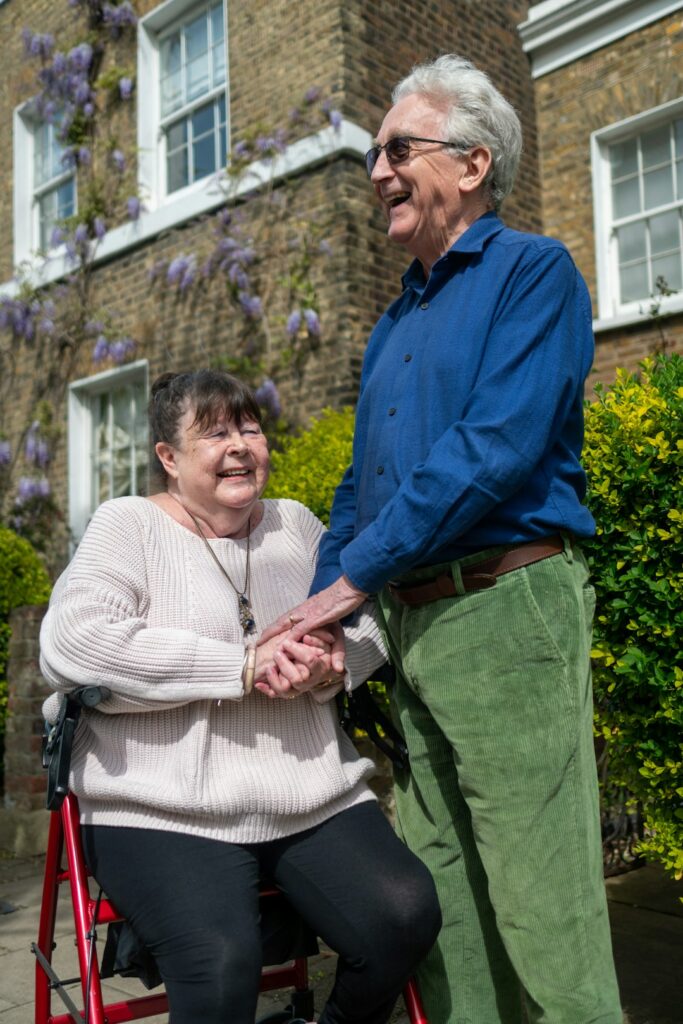
Moving into assisted living can bring greater safety, support, and convenience, but it can also create feelings of loneliness. A resident may be surrounded by people and still feel disconnected, especially during the first weeks after a move, after the loss of a spouse or friend, or when health changes make familiar activities more difficult.
Loneliness is not a personal failure. It is a common emotional response to major life changes, and it can often be eased through steady social contact, meaningful routines, and support that respects each resident’s preferences.
Why can someone feel lonely in assisted living?
Loneliness often results from a gap between the amount of connection a person wants and the connection they are actually experiencing. A resident may have regular conversations but still miss close companionship, privacy, familiar surroundings, or a sense of purpose.
Several changes can contribute:
- Leaving a long-time home and neighborhood
- Living farther from family members
- Losing a spouse, sibling, friend, or pet
- Hearing or vision changes that make group conversations harder
- Mobility limitations that reduce independence
- Depression, anxiety, memory loss, or chronic pain
- Feeling uncertain about how to join established social groups
- Moving during winter or another season when travel is more difficult
For residents in Bloomsburg, seasonal weather can affect social contact. Snow, ice, cold temperatures, and shorter daylight hours may make outdoor visits or family travel less predictable. Planning indoor activities and regular phone or video calls can help maintain connection during those periods.
What are common signs of loneliness?
A lonely resident may not say, “I feel lonely.” The signs can be subtle and may resemble normal adjustment.
Possible indicators include:
- Spending most of the day alone or remaining in the room
- Declining activities that were previously enjoyable
- Frequently saying that nobody visits or cares
- Eating less or skipping communal meals
- Sleeping much more or having trouble sleeping
- Showing increased irritability, sadness, worry, or restlessness
- Repeatedly asking to return home
- Losing interest in personal grooming or daily routines
- Becoming unusually quiet during conversations
These signs do not always mean loneliness. Pain, medication effects, depression, hearing difficulty, and cognitive changes can produce similar behaviors. A noticeable or persistent change deserves attention rather than assumption.
How can a new resident adjust socially?
The first goal should not be to attend everything. A new resident may adjust more comfortably by choosing one predictable activity or one familiar person to speak with regularly.
Helpful starting points include:
- Eating one meal a day in a shared dining area
- Sitting near the same people during an activity
- Joining a small group instead of a large gathering
- Taking part in a familiar hobby, such as music, gardening, cards, reading, crafts, or discussion
- Asking a staff member to introduce the resident to someone with similar interests
- Attending briefly and leaving before fatigue becomes overwhelming
- Keeping a simple weekly routine that includes at least one social activity
Repeated contact matters. Friendships often develop through seeing the same people regularly, not through one successful conversation. A resident who feels awkward at first may become more comfortable after several low-pressure encounters.
What if group activities are not appealing?
Group programs are not the only answer to loneliness. Some residents prefer one-to-one contact, quiet companionship, or activities with a practical purpose.
Alternatives may include:
- Folding laundry or helping with a simple shared task
- Looking through family photographs with another person
- Listening to music together
- Reading aloud or discussing a newspaper article
- Visiting a common area during a busier part of the day
- Caring for a plant or participating in an indoor garden activity
- Writing letters or recording family stories
- Spending time with a calm animal during an approved visit
- Watching a familiar program with another resident

A person who dislikes parties may still enjoy a short conversation, a shared meal, or sitting beside someone while completing a familiar activity. Social connection does not have to be energetic or highly structured.
How can family members help from a distance?
Family support is most useful when it is regular and predictable. Occasional long visits can be meaningful, but brief contact on a dependable schedule may provide greater reassurance.
Family members can:
- Set a consistent day and time for calls
- Use simple conversation prompts rather than asking only, “How was your day?”
- Share household updates, photographs, music, or short videos
- Bring familiar objects that support conversation
- Visit during a time when the resident is usually alert
- Include the resident in ordinary family decisions, such as choosing a recipe or discussing a garden
- Avoid making every conversation about symptoms, limitations, or missed independence
If hearing or vision is limited, face the resident directly, reduce background noise, and use larger printed material when appropriate. A phone call may work better in a quiet room, while video calls may be easier when another person provides assistance.
What role does staff support play?
Staff can help a resident connect, but they need specific information about the person’s interests, history, communication style, and comfort level. Saying that someone is “lonely” is less useful than explaining what has changed and what the resident previously enjoyed.
Useful details may include:
- Favorite hobbies or music
- Past work, volunteer, or family roles
- Preferred conversation topics
- Times of day when the resident has the most energy
- Activities that feel overwhelming
- Hearing, vision, language, or mobility needs
- Whether the resident prefers one-to-one or group interaction
Staff may be able to suggest a smaller activity, introduce compatible residents, adjust seating, or identify ways for the person to contribute. Participation is more likely when the activity feels purposeful rather than forced.
When is loneliness a health concern?
Loneliness should be discussed with a healthcare professional when it is persistent, worsening, or accompanied by major changes in mood, appetite, sleep, memory, or daily functioning. Immediate attention is needed if a resident talks about hopelessness, self-harm, or not wanting to live.
Depression and loneliness can occur together, but they are not identical. A person may be lonely without being depressed, while depression can make social contact feel exhausting or meaningless. Hearing loss, medication changes, untreated pain, and dementia-related changes may also affect social behavior.
Residents and families should avoid assuming that withdrawal is simply part of aging. A timely evaluation can identify treatable factors and clarify what kind of support may help.
How can residents maintain a sense of purpose?
Purpose often grows from contribution, responsibility, and recognition. Residents may feel more connected when their knowledge and abilities are noticed.
Meaningful roles might include welcoming a new resident, helping choose music, sharing a family recipe, tending to a plant, organizing photographs, teaching a skill, or participating in a discussion about local history. Even small responsibilities can reinforce identity and belonging.
The most effective approach is personal. Some residents need frequent conversation, while others prefer quiet companionship and a familiar routine. Managing loneliness in assisted living means creating opportunities for genuine connection without treating social participation as a requirement.
