
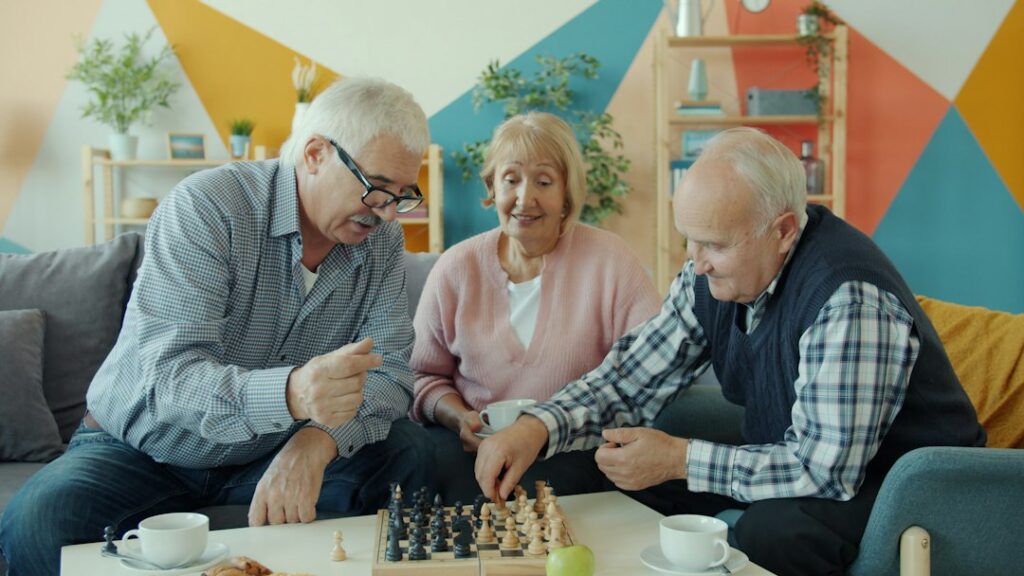
Family members often want to participate in assisted living events but may be unsure how involved to become, what to bring, or how to support a loved one without taking over. The most helpful approach is to treat events as opportunities for connection, observation, and shared routine—not just social occasions.
Why do assisted living events matter to family members?
Assisted living events give families a practical way to understand daily life beyond scheduled visits. A music program, holiday gathering, exercise class, craft activity, or shared meal can reveal how a resident interacts with others, what activities feel comfortable, and where additional support may be useful.
Events may also help residents maintain identity and independence. A family member who joins a gardening activity may learn that a loved one still enjoys making decisions about plants. Someone who attends a game or discussion group may notice that the resident is more socially engaged than during one-on-one visits.
Participation can support:
- Familiarity with the living environment
- Stronger relationships with staff and other residents
- Continuity of family traditions
- Emotional reassurance during periods of adjustment
- Better understanding of a loved one’s interests and abilities
In Bloomsburg, seasonal conditions can affect attendance and transportation. Winter weather, summer heat, and changing daylight may influence whether relatives can arrive on time or whether an outdoor event is comfortable. Planning with flexibility helps prevent a family gathering from becoming stressful.
How should a family member choose which events to attend?
Start with the resident’s interests rather than the event’s popularity. A large celebration may be enjoyable for one person and overwhelming for another. Smaller activities, such as reading groups, baking, card games, or quiet art sessions, may be a better fit for someone who prefers less noise.
Ask the resident directly:
- What activities sound enjoyable?
- Would you like me to attend with you?
- Would you rather have me visit before or after the event?
- Are there people you would like to see?
- Is there anything about the event that makes you uncomfortable?
A resident’s preferences may change from day to day. Fatigue, pain, medication effects, hearing difficulty, or anxiety can affect participation. Saying “We can stay for a short time” can make an event feel more manageable than presenting attendance as an all-or-nothing decision.
Families should also consider the timing. An event scheduled near a resident’s usual rest period may not be a good choice, even if the activity itself is appealing.
What should a family member do during the event?
The best role is usually supportive, not supervisory. Introduce yourself, help the resident get settled, and allow the resident to participate at their own pace.
Helpful actions include:
- Sitting nearby without answering every question for the resident
- Offering simple choices, such as where to sit or whether to join an activity
- Helping with materials when requested
- Encouraging conversation without forcing it
- Noticing signs of fatigue, discomfort, or overstimulation
- Including other residents politely when conversation naturally expands
Avoid treating the event like a test of the resident’s memory, mobility, or social skills. Correcting a minor mistake publicly can create embarrassment. If a concern arises, it is usually better to discuss it privately with the appropriate staff member after the activity.
Family members should also avoid changing the event’s structure without permission. Moving furniture, bringing outside food, taking photographs, or inviting additional guests may affect other residents’ privacy, allergies, routines, or comfort.
How can families respect privacy and personal choice?
Assisted living events often involve multiple residents, so privacy deserves attention. Ask before taking photographs or recording video. A family member may be comfortable appearing in a picture while another resident is not.
Do not share another resident’s name, health information, behavior, or personal story outside the community. Even casual comments on social media can reveal more than intended when combined with photographs, event details, or identifying information.
Personal choice matters as well. A resident should not be pressured to greet visitors, participate in a performance, eat a certain food, or remain until the event ends. If the resident wants to leave, treat that decision respectfully.
For residents living with memory loss, participation may look different from what families expect. Listening to music, holding a craft item, watching others, or enjoying a familiar scent may be meaningful even without conversation or visible task completion.
What should families bring—or leave at home?
Most events require little preparation. If an item may improve the resident’s experience, confirm that it is permitted and practical before bringing it.
Possible items include:

- Eyeglasses or hearing aids, along with needed cases
- A sweater for rooms that feel cool
- A familiar photo, seasonal decoration, or conversation item
- Comfortable clothing and appropriate footwear
- A small, clearly labeled personal item for an activity
Food requires extra caution. Dietary restrictions, swallowing concerns, allergies, diabetes management, and medication schedules may affect what a resident can safely eat. Homemade treats should not be distributed to other residents unless the event’s staff has approved them.
Large decorations, strong fragrances, complicated electronics, and fragile valuables are often more trouble than they are worth. Keep belongings simple so the resident can focus on the experience.
How can families use events to understand a loved one’s adjustment?
An event can provide useful information, but it should not be judged from one moment alone. A resident who seems quiet may be tired, unfamiliar with the group, or concentrating on the activity. A resident who participates enthusiastically one week may need rest the next.
Look for patterns over time:
- Does the resident recognize familiar people?
- Do certain activities consistently improve mood?
- Are instructions easy to hear and understand?
- Does the resident need help finding the room or getting settled?
- Are there environmental barriers, such as glare, noise, or crowded walkways?
- Does the resident appear comfortable leaving the activity?
Share observations respectfully with staff, especially if there is a noticeable change in mood, mobility, appetite, communication, or interest. The goal is not to criticize an event. It is to help the care team understand what supports the resident’s participation.
What if a family member cannot attend in person?
Regular participation does not always require physical attendance. Families may be able to send a short note, provide a favorite activity item, contribute photographs for a reminiscence project, or arrange a phone or video conversation around the event.
A relative who lives far away can ask the resident to describe the activity afterward. Specific questions are often easier to answer than “How was your day?” Try asking what music was played, what the resident ate, who sat nearby, or whether anything was funny.
For families managing work, transportation, or weather-related limitations, consistency may matter more than frequency. Attending selected events throughout the year can create a dependable pattern without making every activity a family obligation.
How should families handle disagreements about participation?
Disagreements may occur when a resident wants to attend but a family member is worried about fatigue, falls, confusion, or overstimulation. Begin by identifying the specific concern rather than arguing about whether the resident “should” go.
A practical compromise might include attending for a shorter period, choosing a quieter seat, arranging assistance with transportation within the community, or leaving before the closing portion. Safety concerns involving mobility, illness, severe weather, or a known medical restriction should be discussed with staff before participation.
Family involvement works best when it supports the resident’s preferences while recognizing the need for reasonable safety measures. Events are most valuable when the resident remains an active participant in deciding how, when, and whether to join.
